Education today is more than grades and exams , it’s about nurturing well‑rounded individuals who excel academically, physically, and emotionally. Parents and students often ask: How do we balance schoolwork, sports, and personal growth? This guide provides actionable strategies to help families navigate the academic world while embracing the benefits of sports and extracurricular activities.
In modern education, success is not defined by a single measure. Academic achievement provides the foundation for opportunities, while extracurricular activities help students develop the skills, confidence, and experiences needed for life beyond the classroom. Rather than choosing one over the other, families should encourage a balanced approach that supports both academic growth and personal development.
Academic Success Strategies
Effective study habits: Breaking lessons into manageable chunks allows students to avoid feeling overwhelmed. Active recall — testing oneself rather than passively rereading notes — strengthens memory retention. Spaced repetition, where material is reviewed at increasing intervals, ensures long‑term mastery. For example, a student preparing for exams might review math formulas daily at first, then every few days, and finally weekly, reinforcing knowledge without cramming.
Time management: A weekly planner that balances schoolwork, sports, and rest is essential. Students can block out study hours, practice sessions, and downtime, ensuring no area is neglected. Digital tools like calendar apps or simple notebooks can help track assignments and commitments. Parents can guide children in prioritizing tasks, teaching them to distinguish between urgent and important responsibilities.
Parental involvement: Encouraging independence while offering guidance is key. Parents should avoid micromanaging but remain engaged by checking progress, attending school events, and fostering open communication. For instance, asking a child to explain what they learned in class not only reinforces knowledge but also shows genuine interest.
The Role of Sports in Student Growth
Physical health: Regular activity boosts energy, focus, and resilience. Sports improve cardiovascular health, strengthen muscles, and enhance coordination. A student who plays basketball or swims regularly often demonstrates better concentration in class, as physical activity sharpens mental alertness.
Teamwork skills: Sports teach collaboration, leadership, and communication. Working together toward a common goal helps students understand the value of trust and cooperation. Captains learn to motivate teammates, while players learn to respect diverse strengths. These lessons translate into group projects and future workplace dynamics.
Stress relief: Physical activity helps manage academic pressure and anxiety. A student overwhelmed by exams may find relief in a soccer match or a jog, as exercise releases endorphins that reduce stress. Sports also provide a healthy outlet for emotions, preventing burnout.
Mental and Emotional Well‑Being
Mindfulness practices: Breathing exercises and short meditation sessions improve focus. Even five minutes of mindfulness before studying can calm the mind and enhance concentration. Schools that integrate mindfulness into daily routines often report improved student behavior and academic performance.
Resilience building: Teaching students to view setbacks as learning opportunities builds character. A missed goal in soccer or a low grade in math should be reframed as a chance to improve. Parents and teachers can model resilience by sharing their own experiences of overcoming challenges.
Healthy routines: Balanced sleep, nutrition, and downtime are essential for peak performance. Students who sleep 8 hours, eat balanced meals, and take breaks are more likely to succeed academically and athletically. Families can encourage routines by setting consistent bedtimes and preparing nutritious snacks.
Extracurricular Engagement
Creative outlets: Arts, music, and clubs foster self‑expression. A student who paints or plays guitar develops creativity and emotional intelligence. These outlets also provide balance, preventing academic fatigue.
Community service: Volunteering builds empathy and civic responsibility. Students who participate in service projects learn the importance of giving back. Whether tutoring younger peers or helping at local shelters, these experiences instill compassion and leadership.
Skill development: Activities outside academics prepare students for real‑world challenges. Debate clubs sharpen communication, robotics teams enhance problem‑solving, and theater groups build confidence. These skills complement academic knowledge, making students more adaptable.
Parent–Student Collaboration
Goal setting: Working together to set realistic academic and personal goals ensures alignment. Parents can help children break long‑term goals into smaller milestones, such as improving grades in one subject or mastering a new sport skill.
Celebrating progress: Recognizing achievements, big or small, builds confidence. Acknowledging effort — not just results — motivates students to keep striving. Celebrations can be simple, like family dinners or words of encouragement.
Open communication: Honest conversations strengthen trust and reduce misunderstandings. Parents should listen actively, validate feelings, and avoid judgment. Students who feel heard are more likely to share struggles and seek guidance.
Final Thoughts
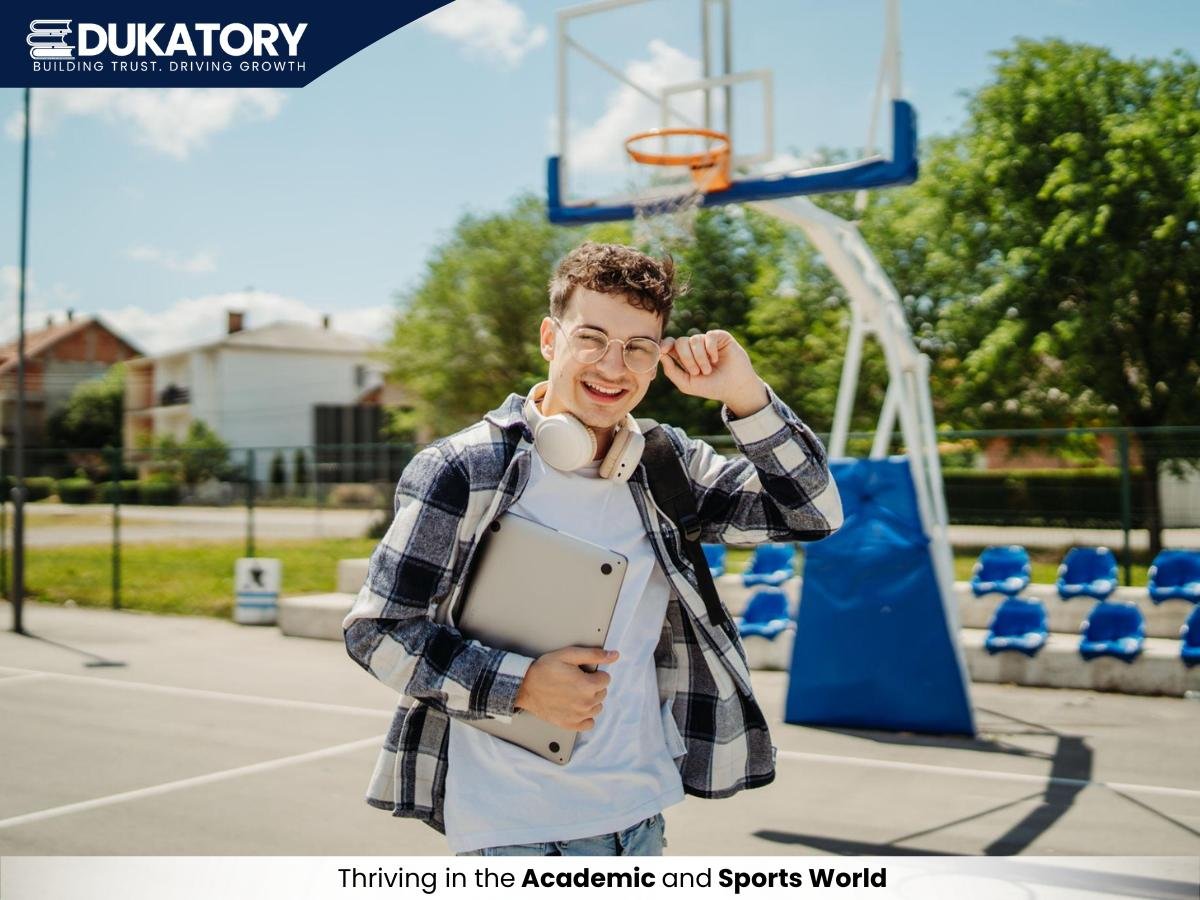
Success in the academic world isn’t about choosing between school and sports — it’s about integrating both to create a balanced, fulfilling student life. Parents play a vital role in guiding, supporting, and celebrating their children’s journey.
This is where Edukatory makes a difference. By offering accessible, technology‑driven solutions, Edukatory helps families and schools bridge the gap between academics, sports, and well‑being. Its tools empower educators to design engaging lessons, support students in balancing commitments, and provide parents with resources to stay actively involved. With Edukatory, the path to student success becomes more collaborative, inclusive, and future‑ready.
Recent Article
Digital Skills and Future Tech Careers Driving Student Success