
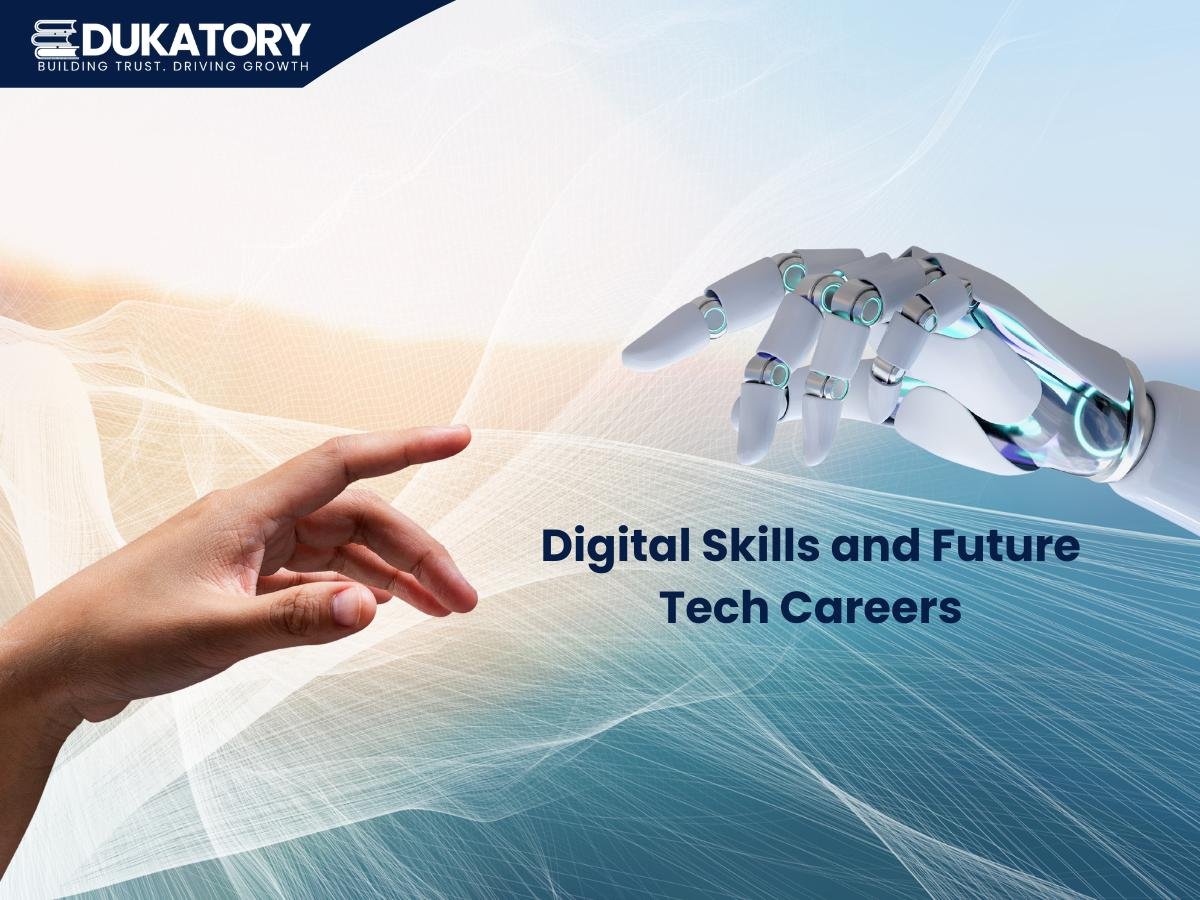
Technology is reshaping the global job market faster than ever before. From artificial intelligence to cybersecurity, the demand for digital skills is growing across industries and across borders. For students and professionals, building expertise in these areas is no longer optional — it’s essential for staying competitive in a world where innovation drives opportunity.
The pace of change means that careers are being redefined, and those who adapt quickly will find themselves at the forefront of new opportunities. Entire industries are transforming: healthcare is integrating AI to improve patient outcomes, finance is relying on advanced algorithms to detect fraud, and education is embracing digital platforms to reach learners worldwide. These shifts highlight a simple truth — digital literacy is no longer a specialized skill, but a universal requirement.
For students, this transformation represents both a challenge and an opportunity. Academic achievement remains important, but success in the modern world also depends on the ability to apply knowledge through technology. A graduate who understands data science, cloud computing, or UX design is not just employable — they are future‑ready. For professionals already in the workforce, continuous learning has become the norm. Lifelong education, whether through online courses, certifications, or hands‑on projects, is the key to staying relevant in a rapidly evolving environment.
Globalization further amplifies the importance of digital skills. Companies are no longer limited to hiring talent within their borders; they seek the best candidates worldwide. This means that a student in Manila, Bangkok, or São Paulo can compete directly with peers in New York or London, provided they have the right digital expertise. Remote work, freelancing, and international collaboration are now standard features of the job market, creating opportunities that transcend geography.
At the same time, the rise of digital careers brings new responsibilities. Professionals must navigate ethical questions around AI, protect sensitive data from cyber threats, and design technologies that are inclusive and accessible. Success in this landscape requires not only technical proficiency but also adaptability, creativity, and strong communication skills.
In short, technology is not just reshaping jobs — it is reshaping the very definition of success. Those who embrace digital skills will find themselves empowered to innovate, lead, and thrive in industries that are still being imagined. Those who resist change risk being left behind in a world that rewards agility and forward‑thinking.
Key Areas of Growth
Artificial intelligence
AI specialists are needed to design, train, and manage intelligent systems across healthcare, finance, and education. For example, AI is being used to detect diseases earlier, automate financial risk analysis, and personalize learning experiences for students. Careers in AI range from machine learning engineers to AI ethicists, who ensure that technology is developed responsibly.
Cybersecurity
With rising cyber threats, companies worldwide are investing heavily in security analysts and ethical hackers. Cybersecurity professionals protect sensitive data, defend against ransomware attacks, and build secure systems. The demand is so high that cybersecurity roles are among the fastest-growing jobs globally, offering both stability and strong earning potential.
Data science
Data analysts and scientists help organizations make smarter decisions using big data. From predicting consumer behavior to optimizing supply chains, data science is at the heart of modern business strategy. Careers in this field require not only technical skills but also the ability to translate complex data into actionable insights.
Cloud computing
Cloud engineers and architects are essential for businesses moving to digital infrastructure. As companies migrate from traditional servers to cloud platforms, professionals who can design scalable, secure, and efficient systems are in high demand. Cloud computing also enables remote collaboration, making it a cornerstone of the modern workplace.
Digital design
UX/UI designers and creative technologists shape how people interact with technology every day. From mobile apps to websites, digital design ensures that technology is accessible, intuitive, and engaging. Careers in this field combine creativity with technical expertise, making it ideal for those who enjoy blending art and science.
Skills That Matter
Programming
Languages like Python, Java, and C++ remain core to tech careers. Programming is the foundation of most digital roles, whether you’re building AI models, securing networks, or designing applications.
Problem-solving
Employers value critical thinking as much as technical expertise. The ability to approach challenges creatively and find solutions is what sets top professionals apart.
Adaptability
Tech evolves quickly, so continuous learning is vital. Professionals who embrace change and stay updated with new tools and trends will thrive in dynamic environments.
Collaboration
Remote and global teams require strong communication skills. Being able to work effectively across cultures and time zones is now a core requirement for success.
Benefits of Digital Careers
Global demand
Tech skills are needed across continents and industries. Whether in Asia, Europe, or the Americas, digital expertise opens doors to international opportunities.
High earning potential
Many digital careers offer competitive salaries. Roles in AI, cybersecurity, and data science often rank among the highest-paying jobs worldwide.
Flexibility
Remote work and freelancing are common in tech. Professionals can choose projects, set schedules, and work from anywhere, creating a lifestyle that balances career and personal goals.
Innovation impact
Professionals directly shape the future of industries. From developing sustainable technologies to advancing healthcare, digital careers allow individuals to make meaningful contributions to society.
Challenges to Consider
While the benefits are clear, digital careers also come with challenges that students and professionals must prepare for:
Time zone differences: Coordinating across continents requires planning and flexibility.
Isolation: Remote work can feel lonely without intentional efforts to stay socially connected.
Career progression: Building visibility and leadership remotely can be harder, requiring proactive networking and mentorship.
Final Thoughts
Student success is not defined by a single measure. Academic achievement provides the foundation for future opportunities, while digital skills and tech careers equip students with the adaptability, confidence, and innovation needed for life beyond the classroom. Rather than choosing one over the other, families should encourage a balanced approach that supports both academic growth and future‑ready skills.
Edukatory helps families make informed educational decisions by providing trusted insights, learning resources, and guidance that support student success inside and outside the classroom. By combining academic excellence with digital readiness, students can prepare for a future where opportunities are global, flexible, and full of promise.
Recent Article
Career Opportunities After Graduation in ASEAN