
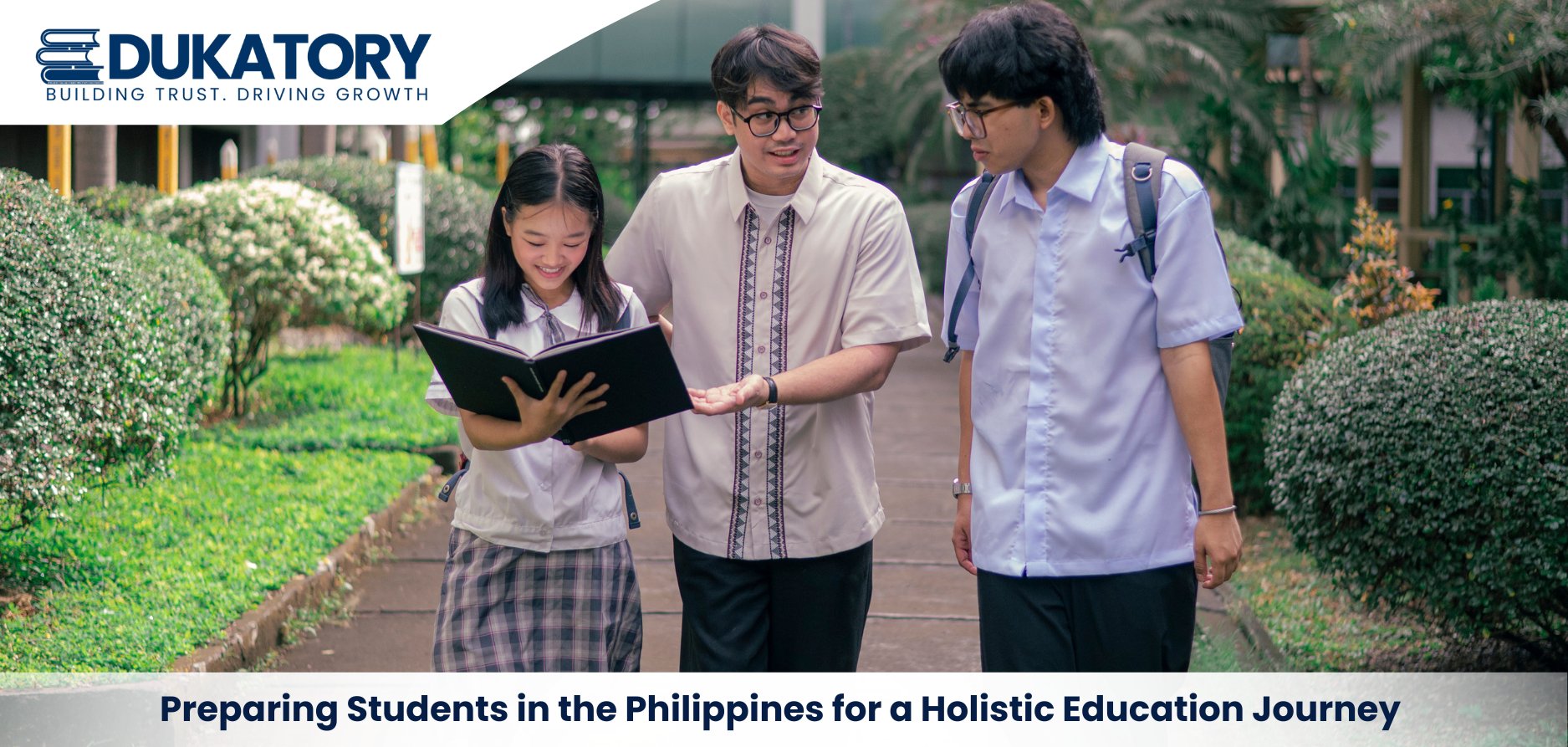
Education in the Philippines is evolving rapidly, shaped by both local reforms and global trends. With the implementation of the K‑12 curriculum, the growing emphasis on digital literacy, and the increasing importance of extracurricular activities, parents and students face new challenges as well as opportunities. The modern educational journey is no longer confined to textbooks and classrooms; it now encompasses technology, emotional well‑being, and community engagement, reflecting the broader demands of a fast‑changing society.
Students today must learn to balance academic achievement with personal growth, while families are called to provide guidance that extends beyond academics into values formation, emotional support, and digital responsibility. Schools, on the other hand, are tasked with preparing learners not only for local opportunities but also for global competitiveness.
This guide highlights practical ways families can support learners in achieving both academic excellence and personal development, ensuring that students are not only prepared for exams but also equipped with the skills, confidence, and resilience needed for life beyond school. By embracing a holistic approach, education in the Philippines can nurture well‑rounded individuals ready to thrive in diverse environments and contribute meaningfully to their communities.
Academic Readiness
K‑12 curriculum insights: The K‑12 program in the Philippines extends basic education to 12 years, aligning with international standards. Understanding its structure helps parents guide students through each stage — from kindergarten to senior high school. Each level introduces age‑appropriate competencies, and parents who are familiar with these can better support their children’s transitions, whether it’s mastering foundational literacy in the early years or choosing specialized tracks in senior high school.
Study strategies: Effective study habits such as active recall, group study, and review sessions are particularly useful for Filipino learners. Active recall strengthens memory retention, while group study fosters collaboration and peer learning. Review sessions, especially before exams, help consolidate knowledge. Parents can encourage these strategies by creating a conducive study environment at home and by modeling disciplined routines.
Parental involvement: Parents play a crucial role in academic readiness. Monitoring progress, encouraging independent learning, and offering guidance without micromanaging are key. In the Philippine context, where family ties are strong, parental involvement often extends to moral and emotional support, which can significantly boost a child’s confidence and motivation.
Sports and Extracurriculars in the Philippines
School sports programs: Sports such as basketball, volleyball, and athletics are deeply embedded in Filipino school culture. Participation in these programs builds discipline, teamwork, and resilience. Beyond physical health, sports teach students how to handle competition, manage time, and develop leadership skills.
Arts and culture: Music, dance, and theater connect students to Filipino heritage while fostering creativity. Schools that integrate cultural programs allow students to appreciate traditions while expressing themselves artistically. This balance between heritage and creativity enriches the holistic development of learners.
Community engagement: Volunteering and barangay activities strengthen civic responsibility. Students who engage in community service learn empathy, social awareness, and the importance of contributing to society. These experiences prepare them to become responsible citizens who value collective progress.
Mental Health and Well‑Being
Stress management: Coping with exam pressure and academic load is crucial. Techniques such as mindfulness, exercise, and balanced routines help students manage stress. Parents and teachers can normalize conversations about mental health, making it easier for students to seek help when needed.
Counseling services: Many schools now provide guidance counselors to support emotional needs. These professionals help students navigate academic challenges, peer relationships, and personal struggles. Access to counseling ensures that learners receive holistic support, not just academic instruction.
Family support: Open communication at home helps students feel secure and motivated. Families that encourage dialogue about school experiences, personal goals, and emotional struggles create a nurturing environment where children can thrive.
Digital Literacy and Technology
Online learning platforms: Tools like Learning Management Systems (LMS) and Edukatory enhance access to resources. These platforms allow students to review lessons, submit assignments, and collaborate virtually. Parents can support digital learning by ensuring access to devices and stable internet connections.
Responsible internet use: Teaching students about online safety and privacy is essential. With the rise of social media and online learning, students must learn to protect personal information, avoid harmful content, and use technology responsibly.
Tech integration: Schools are increasingly blending traditional teaching with digital tools. Smart classrooms, interactive modules, and blended learning approaches prepare students for a future where technology is integral to both work and daily life.
Parent–Student Collaboration
Shared goals: Families can set academic and personal milestones together. Collaborative goal‑setting ensures that students feel supported while also learning accountability.
Celebrating achievements: Recognizing progress motivates students to keep striving. Celebrations need not be grand; even small acknowledgments build confidence and reinforce positive behavior.
Encouraging independence: Allowing students to make decisions builds accountability and confidence. Independence in managing schedules, choosing extracurriculars, or setting personal goals helps prepare them for adulthood.
Final Thoughts
Education in the Philippines is more than academics, it’s about nurturing well‑rounded individuals who are prepared for both local and global challenges. Parents play a vital role in guiding this journey, while students must embrace opportunities to grow academically, socially, and emotionally.
This is where Edukatory becomes a trusted partner. By offering accessible, technology‑driven solutions tailored to Filipino learners, Edukatory helps families and schools bridge gaps in academics, sports, and well‑being. Its tools empower educators to design engaging lessons, support students in balancing commitments, and provide parents with resources to stay actively involved. With Edukatory, Filipino students can thrive in a holistic, future‑ready education system.
Recent Article
Building Lifelong Skills: Prepare for the Future