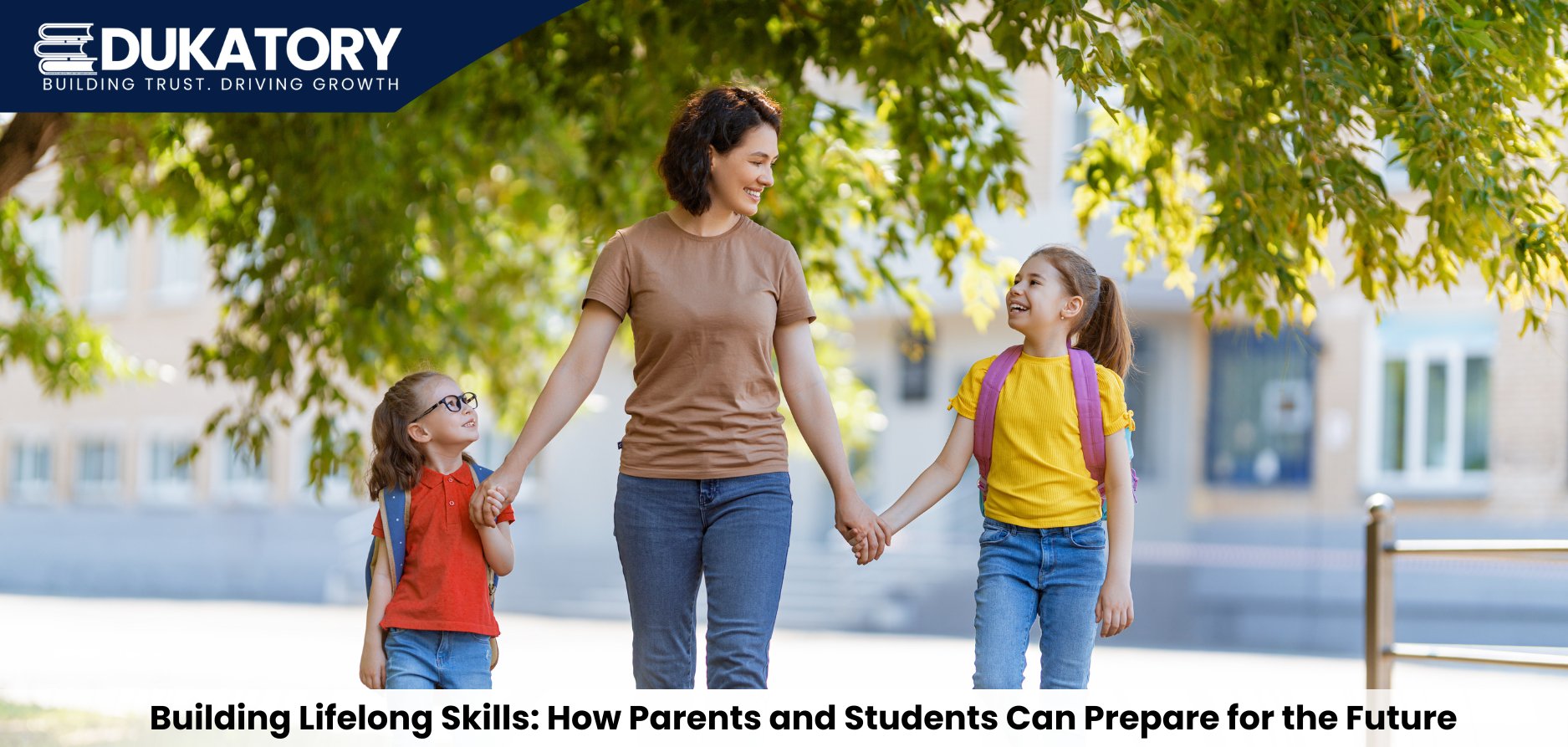
Education today is no longer just about passing exams or memorizing facts. It has evolved into a dynamic process that prepares students for a world that demands adaptability, creativity, resilience, and the ability to thrive in diverse environments. Parents often wonder how to guide their children beyond textbooks, while students themselves seek ways to connect learning with real‑life success. This guide explores essential lifelong skills and how families can nurture them together, ensuring that education becomes a foundation for both academic achievement and personal growth.
Critical Thinking and Problem‑Solving
Analytical skills: One of the most important lifelong skills is the ability to think critically. Students should be encouraged to question assumptions, analyze information from multiple perspectives, and explore more than one solution to a problem. For example, when faced with a math problem or a science experiment, parents and teachers can guide students to consider alternative approaches rather than rushing to the first answer. This habit builds confidence and sharpens reasoning.
Real‑world application: Learning becomes more meaningful when it is connected to everyday scenarios. Budgeting allowance money, planning a family trip, or making decisions about healthy food choices are excellent opportunities to apply classroom lessons in real life. These experiences help students see that knowledge is not confined to textbooks but is a tool for navigating the world.
Parental role: Parents play a crucial role in nurturing problem‑solving skills. By asking open‑ended questions at home — such as “What do you think would happen if…?” or “How else could we solve this?” — they spark curiosity and encourage children to think independently. This approach fosters resilience and prepares students to face challenges with confidence.
Global Awareness and Communication
Cultural literacy: Exposure to diverse perspectives builds empathy and adaptability. Whether through travel, reading literature from different cultures, or engaging in discussions about global issues, students gain a deeper understanding of the world. Cultural literacy helps them appreciate differences and prepares them to work in multicultural environments.
Language skills: Learning new languages enhances communication and opens doors to career opportunities. It also strengthens cognitive abilities, improves memory, and fosters appreciation for other cultures. Parents can encourage language learning through apps, bilingual books, or even family language nights.
Digital collaboration: In today’s interconnected world, online platforms allow students to connect with peers worldwide. Collaborative projects, virtual classrooms, and international competitions teach students how to work across borders, respect diverse viewpoints, and develop teamwork skills in digital spaces.
Adaptability in Technology
Digital literacy: Understanding online safety, privacy, and responsible use of technology is essential. Students must learn to evaluate credible sources, protect personal information, and use digital tools ethically. These skills prepare them for both academic research and professional environments.
Tech integration: Educational apps, interactive platforms, and digital simulations make learning more engaging. For instance, using apps for math practice or virtual labs for science experiments helps students grasp complex concepts more easily. Technology integration also prepares them for careers where digital tools are indispensable.
Parental guidance: Parents can help set healthy boundaries for device use. Establishing screen‑time rules, encouraging offline hobbies, and modeling balanced technology habits ensure that students use devices productively without becoming overly dependent on them.
Personal Growth Through Sports and Arts
Teamwork: Sports are more than physical activity; they teach collaboration, leadership, and communication. Working as part of a team helps students understand the value of collective effort and builds resilience when facing competition.
Creativity: Arts encourage innovation and self‑expression. Whether through painting, music, theater, or dance, students develop imagination and emotional intelligence. Creative outlets also provide stress relief and balance academic pressures.
Balance: Extracurricular activities complement academics by building confidence and resilience. A balanced routine that includes sports, arts, and academics ensures holistic development. Parents can support this balance by helping children prioritize commitments and celebrate achievements in all areas.
Parent–Student Partnership
Shared goals: Families can set academic and personal milestones together. Goal‑setting encourages accountability and helps students stay motivated. For example, agreeing on weekly study targets or fitness goals creates a sense of shared responsibility.
Celebrating progress: Recognizing achievements, whether big or small, motivates students to keep growing. Celebrations can be as simple as verbal praise, family outings, or creating a progress chart at home. These gestures reinforce positive behavior and build self‑confidence.
Open dialogue: Honest communication strengthens trust and support. Parents should create safe spaces where children feel comfortable sharing their struggles and successes. This dialogue helps families work together to overcome challenges and celebrate victories.
Final Thoughts
Preparing students for the future means equipping them with skills that go beyond the classroom. Parents play a crucial role in guiding this journey, while students must embrace opportunities to grow academically, socially, and emotionally.
This is where Edukatory steps in. By offering innovative, technology‑driven solutions, Edukatory helps families and schools nurture lifelong skills. Its tools empower educators to design engaging lessons, support students in balancing academics with personal growth, and provide parents with resources to stay actively involved. With Edukatory, the path to future‑ready learning becomes clearer, more inclusive, and more inspiring.
Recent Article
Thriving in the Academic and Sports World for Student Success