
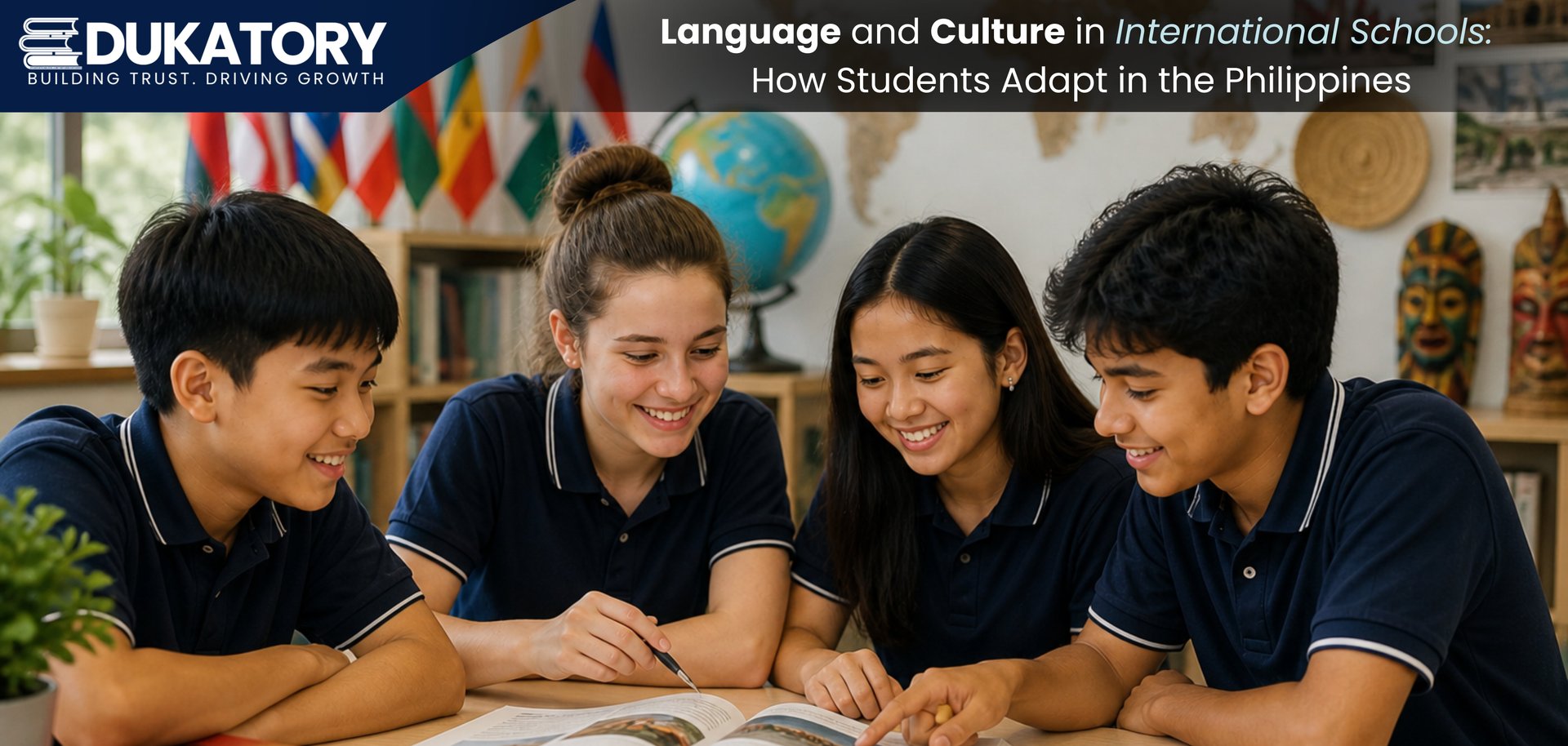
Studying in the Philippines offers more than globally recognized curricula — it’s also a cultural journey. International schools here balance English-medium instruction with opportunities to experience Filipino traditions, values, and community life. For students arriving from abroad, adapting to language and culture is a crucial part of their educational experience.
This guide explores how international schools in the Philippines support students in language learning, cultural integration, and building confidence in a diverse environment.
Language Adaptation in International Schools
English as the Primary Medium
Most international schools use English as the main language of instruction, making adaptation smoother for students from English-speaking backgrounds.
Bilingual Programs
Some schools offer bilingual tracks (English-Filipino or English-other languages) to help students integrate locally while maintaining global readiness.
Language Support Services:
- ESL (English as a Second Language) programs for non-native speakers
- Language labs and tutoring sessions
- Peer mentoring to encourage conversational practice
Multilingual Communities
With diverse student populations, many schools encourage students to share their native languages, creating a multicultural environment where linguistic diversity is celebrated.
Cultural Integration
Filipino Values in School Life
Respect for elders, hospitality, and community spirit are embedded in school culture. Students often learn these values through classroom activities and daily interactions.
Celebrating Local Traditions
International schools host events like:
- Buwan ng Wika (Language Month) – promoting Filipino language and heritage
- Fiesta celebrations – showcasing music, dance, and food
- Independence Day programs – instilling historical awareness
Student Clubs & Activities
Cultural clubs, volunteer programs, and exchange activities help international students connect with Filipino peers and traditions.
Challenges and How Schools Address Them
Language Barriers
Some students may struggle with English or Filipino. Schools provide ESL classes, translation support, and peer mentoring.
Cultural Adjustment
Moving from Western or other Asian contexts to the Philippines can be an adjustment. Schools often run orientation programs and counseling services.
Community Integration
International schools encourage participation in local outreach programs, helping students feel part of the wider Filipino community.
Best Cities for Cultural Adaptation
Metro Manila
Largest expatriate communities
Diverse international schools with multicultural student bodies
Rich exposure to both global and Filipino culture
Cebu
Strong hospitality and tourism culture
Welcoming environment for international families
Growing international school presence
Davao
More relaxed pace of life
Affordable living and strong community ties
Smaller but supportive international school networks
Final Thoughts
Adapting to language and culture is one of the most important aspects of choosing the right international school in the Philippines. While English-medium instruction makes academics accessible, the real value lies in how schools integrate Filipino traditions, values, and community life into the student experience.
This is where Edukatory becomes essential. Families can use Edukatory to:
Compare international schools across Metro Manila, Cebu, Clark, and Davao.
Review bilingual and ESL support programs tailored for international students.
Explore cultural immersion opportunities offered by each institution.
Match schools to long-term academic goals, budget, and family relocation needs.
By combining global curricula with Filipino cultural richness, international schools in the Philippines prepare students for both academic success and personal growth. With Edukatory’s smart matching tools, families can confidently navigate options and ensure their children thrive in a supportive, multicultural environment.
Related Articles