
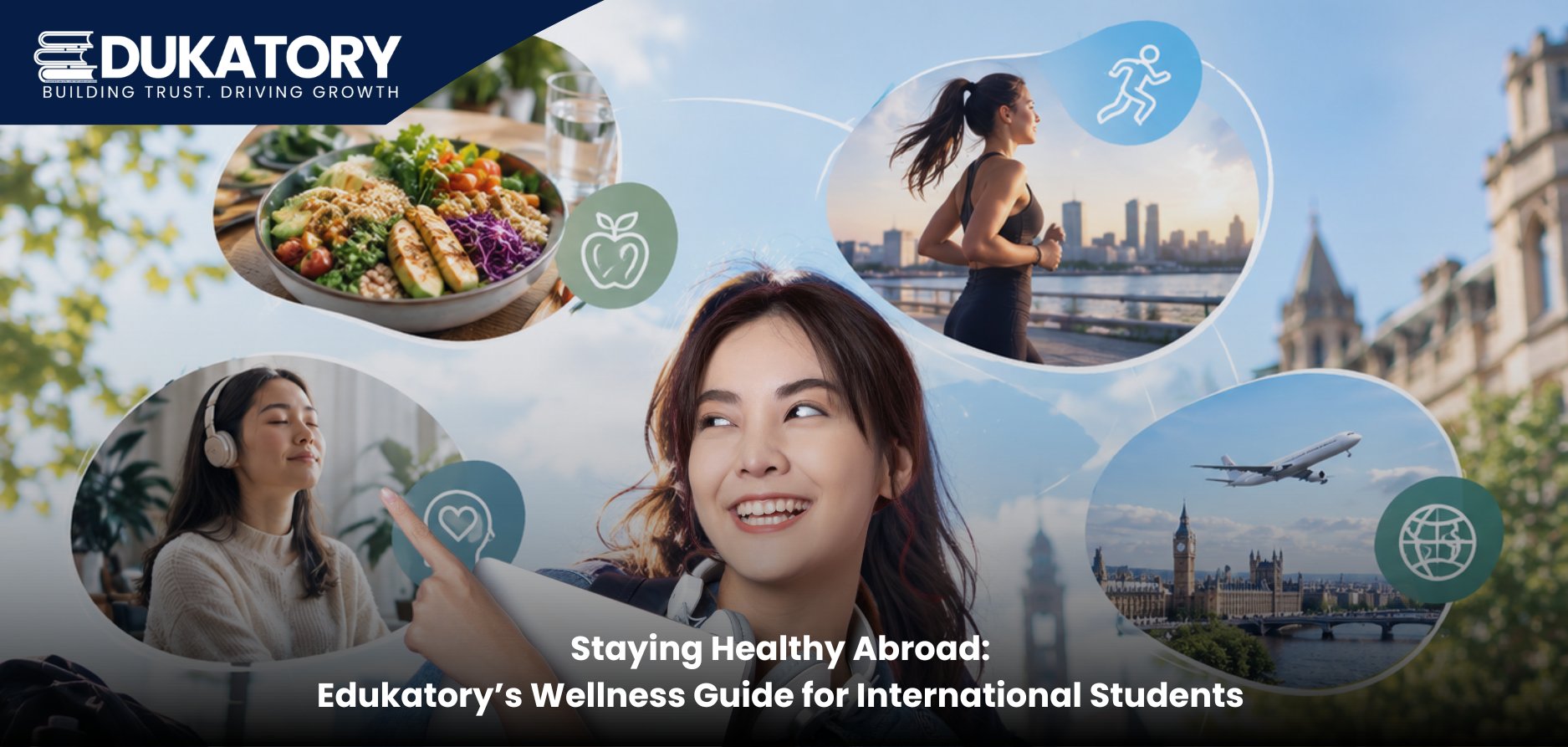
Studying abroad is an exciting adventure filled with new opportunities, cultures, and friendships. It is a journey that allows students to step outside their comfort zones, discover new perspectives, and grow in ways that extend far beyond academics. Yet, international students often face unique challenges when it comes to maintaining their health and wellness.
From adapting to unfamiliar foods to managing stress in a new environment, staying healthy abroad requires awareness and proactive habits. The transition can be overwhelming, as students must balance academic responsibilities with the demands of living in a new country. Edukatory recognizes these challenges and provides guidance to help students thrive physically, mentally, and emotionally while pursuing their education overseas. By offering structured wellness support, Edukatory ensures that students not only succeed academically but also enjoy their international journey with confidence and vitality.
Common Health Challenges for International Students
Dietary changes
Adjusting to new cuisines can lead to unhealthy eating habits if students rely on fast food or processed meals. Many international students find themselves drawn to convenient options when they are unfamiliar with local ingredients or cooking methods. Over time, this reliance on unhealthy food can affect energy levels, concentration, and overall well‑being. Learning to adapt to local diets and discovering nutritious alternatives is essential for maintaining health abroad.
Mental health risks
Studies show that 30 to 50 percent of international students experience depression or anxiety in their first year abroad. The stress of adapting to a new culture, academic pressure, and feelings of isolation can contribute to mental health struggles. Without proper support, these challenges may escalate, affecting both academic performance and personal happiness. Recognizing mental health risks early and seeking help is critical for long‑term resilience.
Sleep disruption
Irregular schedules and stress often interfere with healthy sleep routines. Students may stay up late studying, socializing, or adjusting to time zone differences, which can lead to chronic fatigue. Poor sleep affects memory, focus, and emotional stability, making it harder to cope with the demands of studying abroad. Establishing a consistent sleep routine is one of the most effective ways to protect overall health.
Access to healthcare
Navigating unfamiliar healthcare systems can be overwhelming, especially when language barriers exist. International students may struggle to understand insurance policies, locate clinics, or communicate symptoms effectively. This lack of familiarity can delay treatment and increase stress during emergencies. Learning how to access healthcare in the host country is a vital step toward staying safe and healthy.
Practical Wellness Tips
Eat local and nutritious foods
Explore local markets for fresh fruits, vegetables, and proteins. Avoid relying on fast food, which can drain energy and affect focus. Cooking simple meals at home not only saves money but also ensures a balanced diet. Trying local dishes can also be a fun way to connect with the culture while maintaining good nutrition.
Stay physically active
Walking, jogging, or joining sports clubs helps maintain fitness and reduces stress. Even short daily activities such as stretching or cycling can make a difference. Physical activity also provides opportunities to meet new people, making it both a health practice and a social experience.
Prioritize sleep
Aim for 7 to 9 hours of sleep each night. Establish a consistent routine to support both physical and mental health. Creating a calming bedtime ritual, such as reading or meditating, can improve sleep quality and help students feel more rested.
Manage stress
Practice mindfulness, journaling, or meditation. Seek support groups or counseling services offered by universities. Stress management techniques not only improve mental health but also enhance academic performance by increasing focus and clarity.
Understand local healthcare systems
Learn how to access medical care, obtain insurance, and know emergency procedures in your host country. Familiarity with healthcare resources reduces anxiety and ensures students can respond quickly in case of illness or injury.
Learn basic health phrases
Knowing essential medical terms in the local language can ease communication during emergencies. Simple phrases such as “I need a doctor” or “I have an allergy” can make a significant difference when seeking help.
Building a Support Network
Friendships and social connections are vital for wellness abroad. Joining clubs, participating in university activities, or simply spending time with classmates can reduce feelings of isolation. Research confirms that connecting with others improves mental health and resilience. A strong support network provides encouragement, companionship, and practical assistance during difficult times. Building friendships also enriches the overall study abroad experience, making it more enjoyable and fulfilling.
Mental Health Awareness
International students are at higher risk of depression and anxiety compared to domestic students. Recognizing warning signs such as persistent insomnia, loss of appetite, or social withdrawal is crucial. Universities often provide free counseling services, and many countries have crisis hotlines available 24/7. Seeking help should never be seen as a weakness; rather, it is a proactive step toward maintaining balance and well‑being. Raising awareness about mental health ensures that students feel empowered to prioritize their emotional needs while abroad.
Final Thoughts
Edukatory supports international students by offering structured wellness guidance, cultural orientation, and access to resources that promote healthy living abroad. Through workshops, community events, and educational materials, Edukatory empowers students to maintain balance in their academic and personal lives. By focusing on nutrition, mental health, and social connection, Edukatory helps students not only succeed academically but also enjoy their international journey with confidence and vitality. Edukatory’s programs are designed to provide practical tools and emotional support, ensuring that students feel prepared to face challenges and embrace opportunities. In doing so, Edukatory becomes more than just an educational resource, it becomes a partner in the journey toward holistic well‑being and lifelong success.
Recent Article
Building Global Friendships: Lifelong Connections