
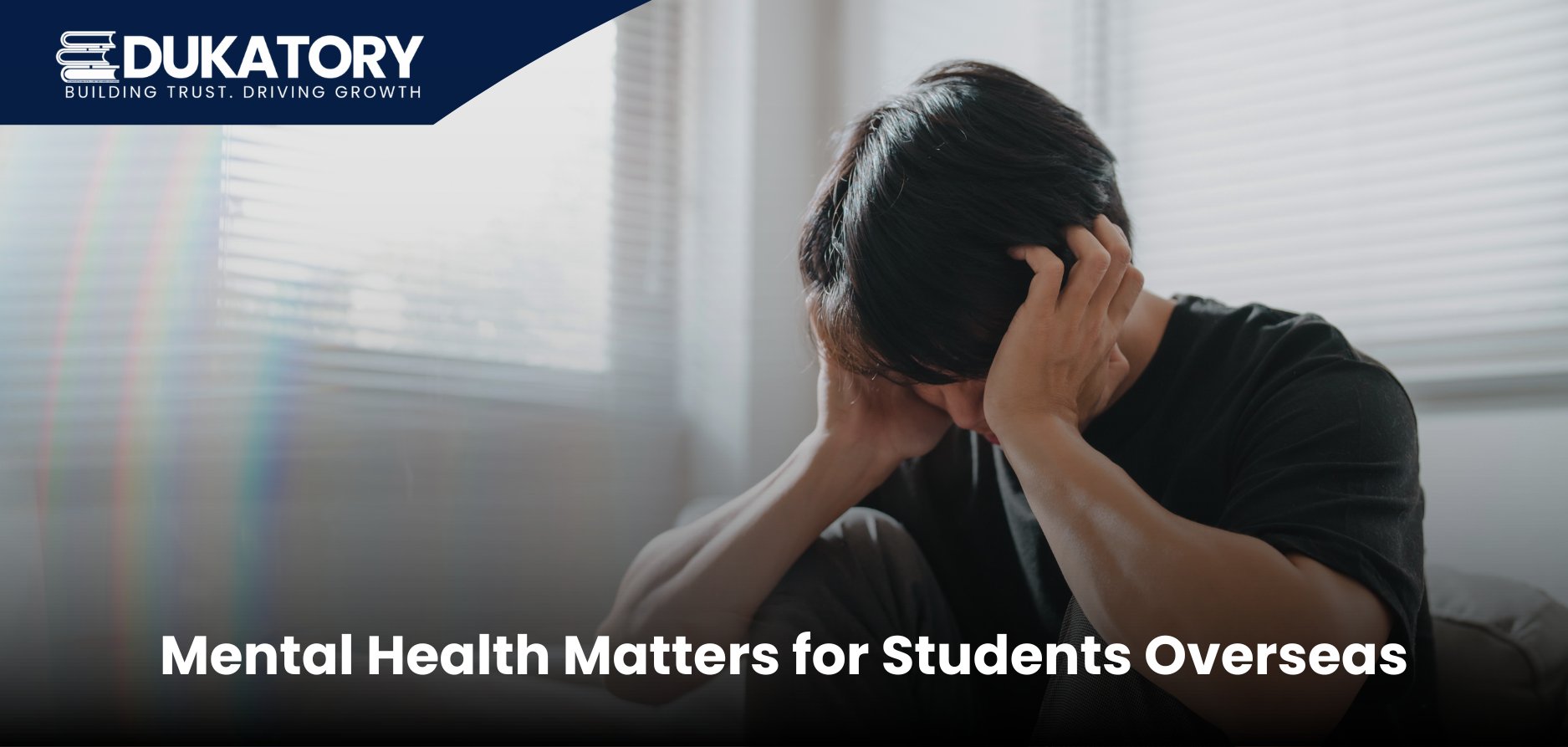
Mental Health Matters for Students Overseas: Edukatory Guide
Studying abroad is often described as a dream come true, filled with opportunities to explore new cultures, gain world‑class education, and build lifelong friendships. Yet beneath the excitement lies a reality that many international students face: the challenge of maintaining mental health while adapting to life overseas. From homesickness and cultural adjustment to financial stress and academic pressure, the mental health journey abroad can be complex. Recognizing these challenges and learning how to manage them is essential for students to thrive academically and personally. This guide explores the importance of mental health for students overseas, highlighting common issues, coping strategies, and the role of supportive communities.
For many students, studying in another country represents a major life transition. It often involves leaving behind familiar routines, support systems, and environments. While this change can be exciting and rewarding, it can also bring uncertainty and emotional challenges. Taking care of mental health is just as important as maintaining physical health because emotional well‑being directly affects academic performance, decision‑making, and overall quality of life. By understanding mental health and prioritizing self‑care, international students can enjoy a more balanced and fulfilling overseas experience.
Common Mental Health Challenges
International students encounter unique stressors that can affect their well‑being.
Homesickness: Missing family, friends, and familiar surroundings often leads to feelings of loneliness.
Cultural adjustment: Adapting to new customs, languages, and social norms can be overwhelming.
Academic pressure: High expectations and unfamiliar teaching styles may increase stress.
Financial concerns: Tuition fees, housing, and living expenses add to anxiety.
Isolation: Limited social networks in the host country can intensify feelings of disconnection.
Acknowledging these challenges is the first step toward addressing them effectively.
In addition to these concerns, many students experience culture shock, a feeling that occurs when adjusting to a completely different environment. Daily tasks that once seemed simple may become difficult due to language barriers or unfamiliar systems. Some students may also feel pressure to succeed because of family expectations or personal goals. These combined factors can contribute to stress, anxiety, and feelings of self‑doubt. Understanding that such emotions are normal can help students approach their experiences with patience and self‑compassion.
Coping Strategies for Students Abroad
Managing mental health requires proactive habits and practical tools.
Build a support network: Connect with classmates, join student organizations, and participate in cultural events.
Stay physically active: Exercise reduces stress and boosts mood. Simple activities like walking or yoga can make a difference.
Maintain communication: Regular calls or messages with family and friends help reduce loneliness.
Practice mindfulness: Techniques such as meditation, journaling, or breathing exercises promote calmness.
Seek professional help: Universities often provide counseling services, and many countries have mental health hotlines available.
These strategies empower students to balance academic responsibilities with personal well‑being.
Creating a healthy routine can also improve emotional stability. Setting aside time for rest, recreation, and social activities prevents burnout and supports long‑term mental wellness. Students should ensure they get sufficient sleep, eat nutritious meals, and manage their workload effectively. Time management tools such as calendars and planners can help students stay organized and reduce stress caused by deadlines. Small daily habits often have a significant cumulative effect on mental health and overall productivity.
Another important coping strategy is learning to be kind to oneself. Students may sometimes compare themselves to others or feel discouraged when faced with setbacks. Practicing self‑compassion, recognizing personal achievements, and accepting that adjustment takes time can make challenges easier to manage. Each student's journey abroad is unique, and personal growth often comes through navigating obstacles.
The Role of Universities and Communities
Institutions play a vital role in supporting international students.
Universities that offer orientation programs, peer mentoring, and accessible counseling services create environments where students feel valued. Community organizations also provide cultural integration activities, language support, and safe spaces for students to share experiences. Together, these resources help reduce isolation and foster resilience.
Supportive educational environments encourage students to seek help when needed without fear of judgment. International offices, student support services, and academic advisors can provide guidance on issues ranging from housing concerns to emotional well‑being. Many institutions also organize workshops focused on stress management, mental wellness, and personal development. These initiatives help students develop practical skills for overcoming challenges and adapting successfully to life in a new country.
Local communities also play an important role in helping students feel welcome. Volunteer groups, religious organizations, cultural associations, and recreational clubs often provide opportunities for social interaction and friendship. Developing meaningful relationships within the host community can enhance a student's sense of belonging and improve overall well‑being.
Recognizing Warning Signs
Students should be aware of indicators that suggest mental health struggles.
Persistent sadness or anxiety
Difficulty sleeping or concentrating
Loss of appetite or overeating
Withdrawal from social activities
Declining academic performance
Recognizing these signs early allows students to seek help before issues escalate.
Additional warning signs may include feelings of hopelessness, frequent irritability, lack of motivation, or increased fatigue. Students experiencing ongoing emotional distress should not ignore these symptoms. Early intervention often leads to better outcomes and prevents minor concerns from becoming more serious challenges. Trusted friends, mentors, counselors, and healthcare professionals can provide valuable support during difficult times.
Talking openly about mental health can also reduce stigma and encourage others to seek assistance when necessary. Seeking help should be viewed as a sign of strength rather than weakness. By addressing concerns early, students can maintain healthier and more productive lifestyles throughout their academic journey.
Building Resilience Abroad
Resilience is the ability to adapt and recover from challenges.
Students can build resilience by setting realistic goals, celebrating small achievements, and maintaining a positive outlook. Developing problem‑solving skills and embracing cultural differences also strengthen adaptability. Resilience does not mean avoiding difficulties; it means facing them with confidence and learning from the experience.
Building resilience takes time and consistent effort. Every challenge abroad presents an opportunity to develop new skills and perspectives. Students who learn to navigate unfamiliar situations often become more independent, adaptable, and confident. Overcoming obstacles such as language barriers, academic adjustments, and cultural differences can contribute to significant personal growth.
Maintaining a growth mindset can further strengthen resilience. Instead of viewing setbacks as failures, students can see them as opportunities for learning and improvement. Reflecting on experiences, identifying lessons learned, and applying those lessons in future situations encourages continuous development. Resilient students are better equipped to manage stress and adapt to changing circumstances while maintaining a sense of purpose and optimism.
Final Thought
Mental health is a cornerstone of success for students overseas, and Edukatory is committed to supporting this journey. Edukatory provides guidance on coping strategies, connects students with credible resources, and emphasizes the importance of community support. By offering workshops, articles, and practical advice, Edukatory helps students recognize challenges, build resilience, and access professional assistance when needed. More than just an educational platform, Edukatory serves as a partner in student well‑being, ensuring that international students thrive academically, socially, and emotionally. With Edukatory’s support, students can embrace their overseas experience with confidence and balance.
Taking care of mental health is not a one‑time effort but an ongoing commitment. As students pursue their educational goals abroad, they should remember that seeking support, maintaining healthy habits, and building meaningful connections are essential elements of success. Every student deserves access to resources that promote emotional well‑being and personal growth. Through awareness, resilience, and support from organizations such as Edukatory, international students can transform challenges into opportunities and make the most of their overseas journey. Their well‑being matters, and by prioritizing mental health, they can achieve both academic excellence and a rewarding life experience abroad.