
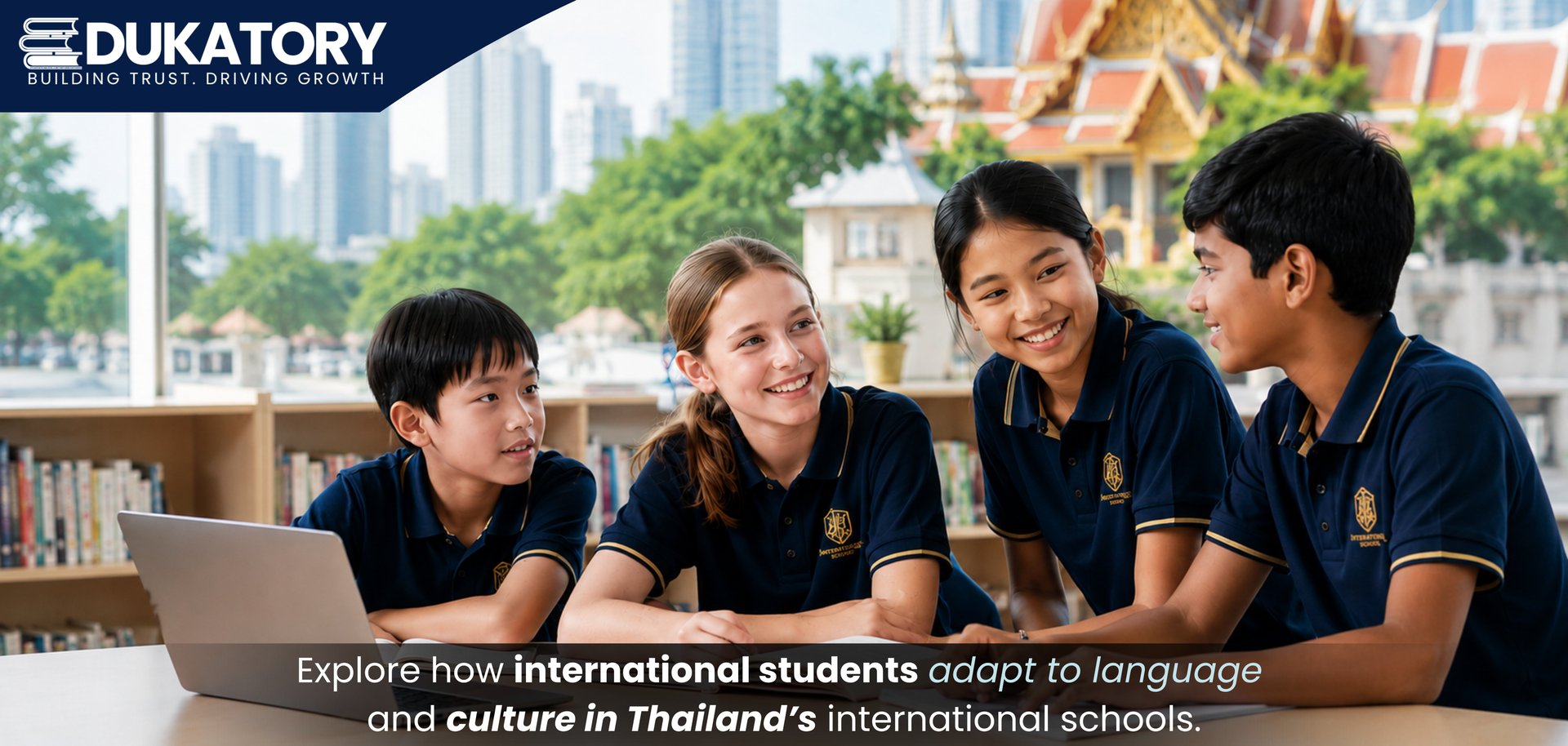
For many families, choosing to study in Thailand is not just about academics, it is about stepping into a new culture, a new language environment, and a new way of life. While international schools offer globally recognized curricula, students also experience something equally valuable: cultural immersion.
In Thailand, education is closely connected with values such as respect, community, and balance. For international students, adapting to this environment can feel challenging at first—but with the right support, it becomes a meaningful part of their personal growth.
This guide explores how international schools in Thailand help students adjust to language differences, embrace Thai culture, and build confidence in a diverse, welcoming environment.
Language Adaptation: Building Confidence in Communication
English as the Foundation
Most international schools in Thailand use English as the primary language of instruction. This helps students transition academically, especially those coming from English-speaking or international backgrounds.
Bilingual Learning Opportunities
Many schools in Thailand offer bilingual programs, typically combining English and Thai. This allows students to:
Develop global communication skills
Build basic Thai language proficiency
Feel more connected to the local community
Language Support Systems
To ensure no student is left behind, schools provide structured support such as:
ESL (English as a Second Language) programs for non-native speakers
Thai language classes to support daily life and cultural understanding
Peer support systems that encourage practice through real conversations
A Multilingual Environment
International schools in Thailand often bring together students from many nationalities. This creates a space where different languages are heard, shared, and appreciated—helping students become more open-minded and globally aware.
Cultural Integration: Learning Beyond the Classroom
Thai Values in Everyday School Life
Students gradually learn important Thai values such as:
Respect for teachers and elders
Kindness and consideration for others
The idea of sanuk, finding joy in everyday experiences
These are not just taught, but practiced through daily interactions and school culture.
Experiencing Thai Traditions
International schools actively celebrate local traditions, giving students hands-on cultural experiences. Common activities include:
Loy Krathong – a festival of gratitude and reflection
Songkran – Thai New Year, known for water celebrations and family traditions
National celebrations – helping students understand Thai history and identity
Activities That Build Connection
Clubs, community service, and cultural programs allow students to:
Form friendships with local and international peers
Participate in meaningful community experiences
Develop a deeper appreciation of Thai culture
Common Challenges and How Schools Support Students
Language Barriers
Some students may initially struggle with English or Thai. Schools respond with:
Language support classes
Individual learning assistance
Encouraging, low-pressure environments for practice
Cultural Adjustment
Adapting to a new culture takes time. Schools help by offering:
Orientation programs for new students
Counseling and pastoral care
Activities that ease cultural transition
Feeling a Sense of Belonging
To help students feel at home, schools promote:
Inclusive communities
Group activities and teamwork
Opportunities to engage beyond the classroom
Cities in Thailand That Support International Students
Bangkok
Large international community
Wide range of international schools
Strong mix of global and Thai cultural exposure
Chiang Mai
Slower pace of life
Rich cultural heritage
Growing number of international schools
Phuket
Relaxed, coastal lifestyle
Diverse, tourism-driven environment
Close-knit school communities
Final Thoughts
Adapting to a new language and culture is a journey and in Thailand, it is one filled with growth, discovery, and opportunity. While international schools provide strong academic foundations, what truly sets them apart is how they help students feel confident, connected, and culturally aware.
For families, finding the right school means looking beyond curriculum and considering how well a school supports both academic success and personal adjustment.
With Edukatory, this process becomes simpler and clearer. Families can:
Compare international schools across Thailand
Explore bilingual and language support programs
Understand cultural and community offerings
Match schools based on lifestyle, goals, and budget
Because the right school is not just where a child studies it is where they learn to belong, grow, and thrive.