
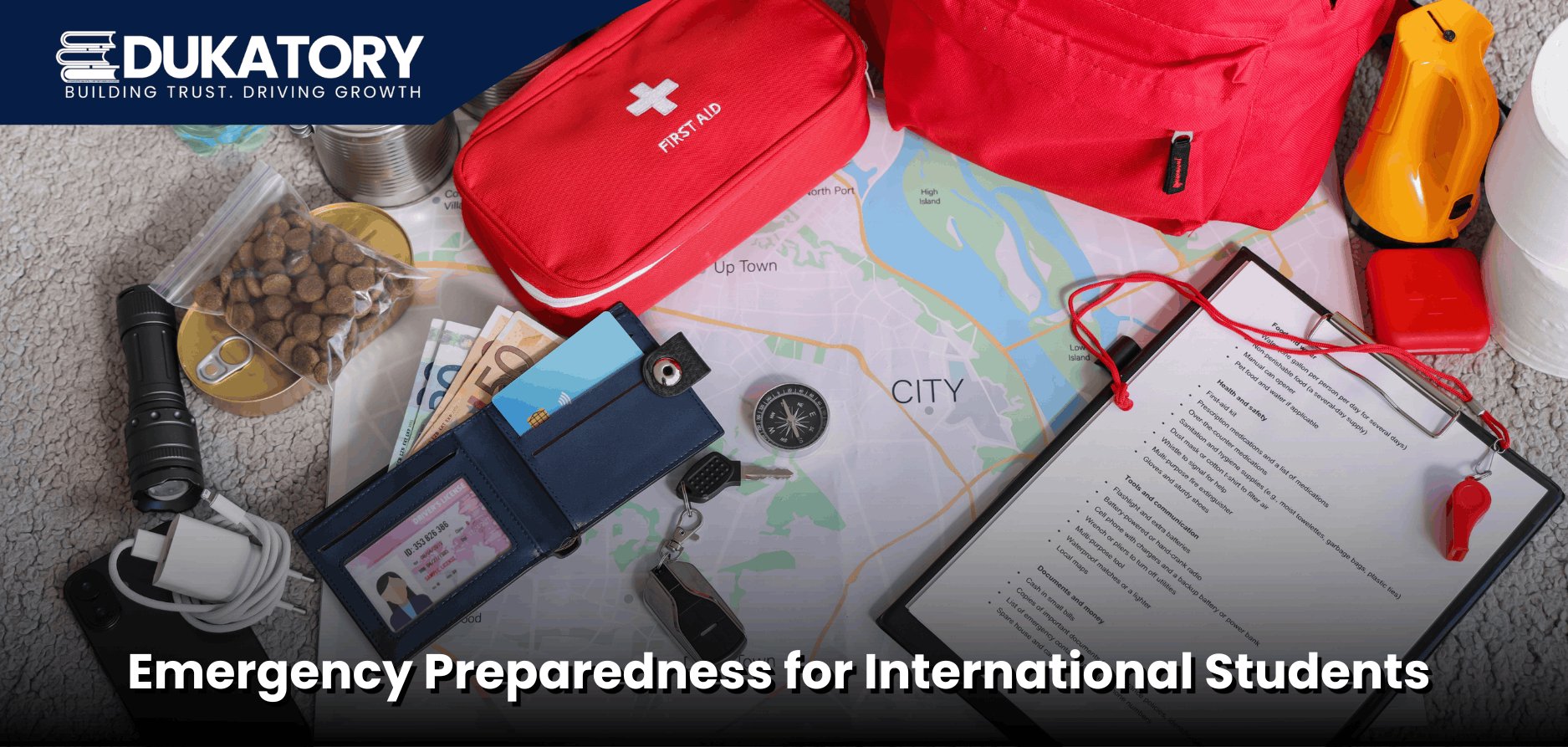
Emergency Preparedness for International Students
Studying abroad is a life‑changing experience filled with opportunities for growth, cultural exchange, and academic achievement. Yet, alongside the excitement, international students must also prepare for unexpected challenges. Emergencies can range from natural disasters and health crises to personal safety incidents or financial setbacks. Being prepared is not about living in fear; it is about having the knowledge, tools, and confidence to respond effectively when situations arise. For students far from home, emergency preparedness ensures peace of mind and allows them to focus on their studies and personal development.
This guide explores practical steps international students can take to stay safe and resilient abroad.
In today's interconnected world, students often travel across continents to pursue educational opportunities. While universities provide resources and support, personal preparedness remains a responsibility that every student should take seriously. Understanding emergency procedures, local regulations, and available support systems can significantly reduce stress when unexpected situations occur. Preparation also helps students adapt more quickly to unfamiliar environments and build confidence as they navigate life abroad independently.
Understanding Local Risks
Every country has its own set of risks, and awareness is the first step toward preparedness.
Natural disasters: Earthquakes in Japan, typhoons in the Philippines, or floods in Malaysia are examples of region‑specific risks.
Health emergencies: Outbreaks of diseases or limited access to healthcare facilities can affect students.
Safety concerns: Crime rates, political unrest, or transportation hazards vary by location.
Researching local risks before arrival helps students anticipate challenges and plan accordingly.
Students should also familiarize themselves with seasonal conditions and environmental factors that may affect daily life. For example, severe winter weather in some countries can disrupt transportation and access to essential services, while extreme heat in other regions may pose health risks. Learning about local warning systems, emergency alerts, and government advisories allows students to stay informed and respond appropriately. Awareness of cultural norms related to safety and emergency response can also help students avoid misunderstandings and integrate more effectively into their new communities.
Building a Personal Safety Plan
A safety plan provides clear steps to follow during emergencies.
Emergency contacts: Save local police, ambulance, and fire department numbers, along with embassy contacts.
Safe meeting points: Identify secure locations near campus or housing where friends can gather.
Communication strategy: Decide how to inform family and friends during emergencies.
Having a plan reduces panic and ensures quick, coordinated responses.
A personal safety plan should be shared with trusted family members or close friends so that others know what steps have been taken. Students may also consider creating a list of important addresses and transportation routes in case digital devices become unavailable. Practicing emergency scenarios mentally can improve decision‑making under pressure and reduce confusion during real events. The more familiar students are with their safety plans, the more effectively they can act when quick responses are required.
Health and Medical Preparedness
Health emergencies can be particularly stressful for students abroad.
Health insurance: Ensure coverage includes hospitalization, emergency care, and repatriation.
Medical records: Carry copies of prescriptions and important health documents.
Local healthcare facilities: Know the nearest hospitals, clinics, and pharmacies.
First aid kit: Keep basic supplies such as bandages, antiseptics, and pain relievers.
Preparedness in healthcare ensures students can access treatment quickly when needed.
Mental health preparedness is equally important for international students. Being away from family and familiar social networks can sometimes lead to feelings of homesickness, stress, or anxiety. Knowing where to access counseling services, student wellness centers, or support groups can make a significant difference during challenging periods. Maintaining healthy habits such as regular exercise, balanced nutrition, and adequate sleep also contributes to overall resilience and helps students cope with both academic and personal pressures.
Financial Preparedness
Emergencies often come with unexpected expenses.
Emergency funds: Maintain savings for medical bills, travel, or temporary housing.
Multiple payment options: Carry both cash and cards to avoid issues during system outages.
Budgeting apps: Tools like Mint or YNAB help track expenses and set aside funds for emergencies.
Financial readiness prevents small crises from becoming overwhelming burdens.
Students should also keep digital and physical copies of important financial information, including bank details and emergency contact numbers. Understanding local banking systems and exchange rates can prevent confusion during urgent situations. Establishing a small emergency budget each month is a practical habit that can build financial stability over time. Even modest savings can provide valuable support when unexpected costs arise, reducing financial stress and allowing students to focus on resolving emergencies effectively.
Communication and Technology
Technology plays a vital role in emergency preparedness.
Mobile apps: Download apps for weather alerts, local news, and emergency services.
Backup power: Carry portable chargers to keep devices functional during outages.
Cloud storage: Save important documents online for easy access.
Social media: Platforms often provide real‑time updates during crises.
Effective communication ensures students remain informed and connected.
Students should take time to learn how official emergency alert systems operate in their host country. Registering for university notifications, local government alerts, and transportation updates can provide timely information during emergencies. It is also wise to maintain updated contact lists and ensure important phone numbers are available offline. In situations where internet access is disrupted, alternative communication methods such as text messaging or emergency radio broadcasts may become valuable sources of information.
Community and University Support
Institutions and communities provide essential support during emergencies.
University resources: Orientation programs often include safety briefings and emergency contacts.
Student associations: Peer groups can provide assistance and share information.
Local community: Building relationships with neighbors fosters mutual support.
Engaging with these networks strengthens resilience and provides reassurance.
Building strong relationships within the university environment can have lasting benefits beyond emergency situations. Faculty members, academic advisors, and support staff often serve as valuable sources of guidance and assistance. Students who actively participate in campus activities may find it easier to access accurate information and emotional support during difficult times. A connected community creates a network of individuals who can share resources, offer practical help, and provide reassurance when challenges occur unexpectedly.
Practicing Preparedness Regularly
Preparedness is not a one‑time effort; it requires practice.
Drills: Participate in fire, earthquake, or evacuation drills organized by universities.
Review plans: Update safety strategies regularly to reflect new risks or changes in location.
Stay informed: Monitor local news and government advisories.
Regular practice ensures students remain confident and capable during emergencies.
Students can also conduct periodic reviews of personal documents, emergency supplies, and contact information to ensure everything remains current. As living arrangements, schedules, and circumstances change, preparedness plans should evolve accordingly. Small, consistent efforts throughout the year are often more effective than attempting to prepare only when a crisis occurs. Developing preparedness as an ongoing habit promotes confidence, responsibility, and a proactive mindset that benefits students throughout their international education journey.
Conclusion
Ultimately, emergency preparedness is not simply about responding to crises but about developing the ability to adapt and recover when unexpected events occur. International students who invest time in preparation often experience greater confidence, independence, and peace of mind. By understanding risks, planning ahead, and utilizing available resources, students can reduce uncertainty and focus on achieving their educational and personal goals abroad. Preparedness transforms potential obstacles into manageable challenges and helps students make the most of their international experience.
Final Thought
Emergency preparedness is a vital aspect of student life abroad, and Edukatory is dedicated to guiding students through this process. Edukatory provides resources on local risks, safety planning, and health preparedness, ensuring students have credible information at their fingertips.
By offering workshops, articles, and practical tools, Edukatory empowers students to create personalized safety plans, manage finances responsibly, and engage with supportive communities. More than just an educational platform, Edukatory acts as a partner in resilience, helping students face challenges with confidence. With Edukatory’s guidance, international students can embrace their overseas journey knowing they are prepared for whatever comes their way.
Recent Article