
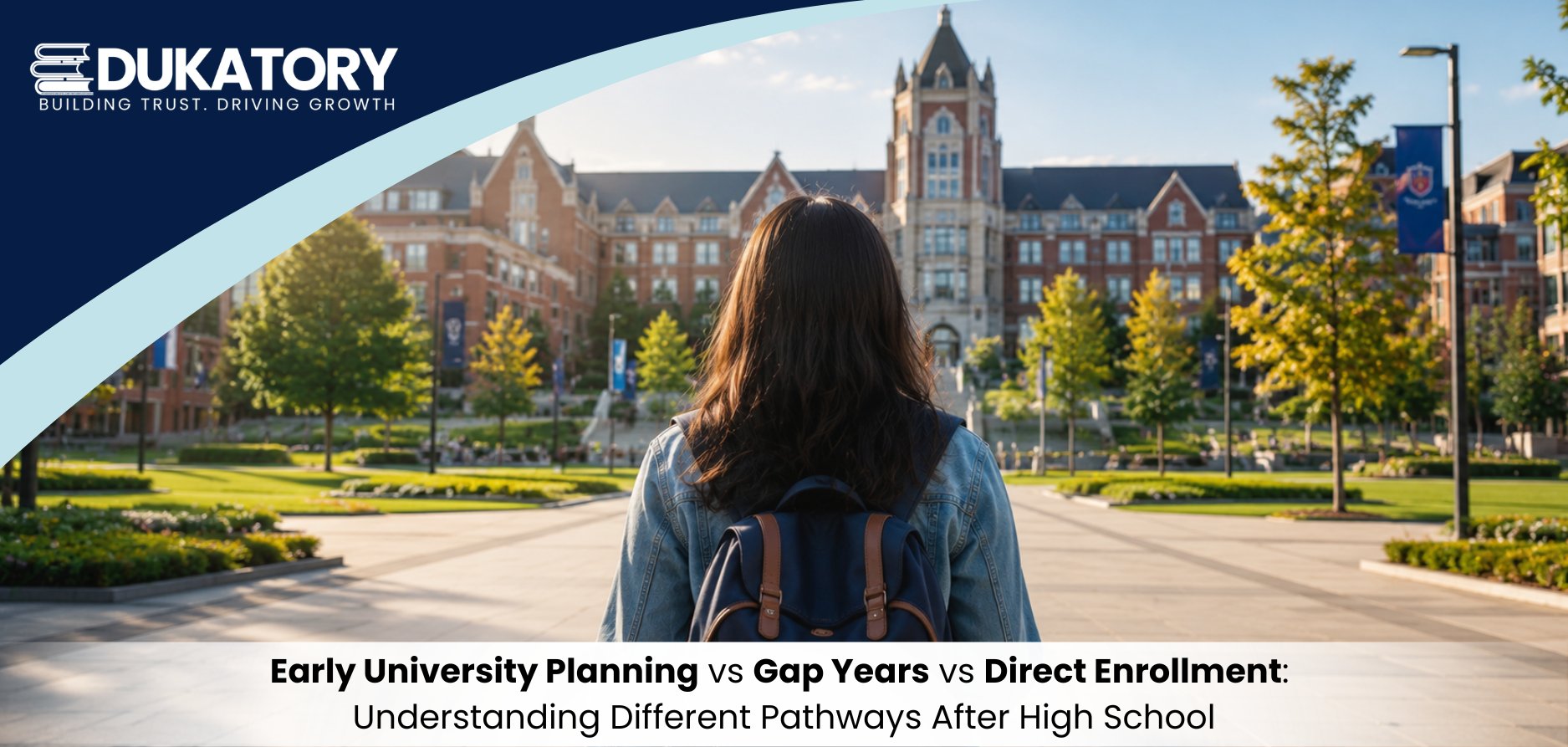
The transition from high school to university is one of the most significant milestones in a student’s educational journey. It marks a shift not only in academic expectations but also in personal responsibility, independence, and long-term planning. While many students follow a traditional route directly into higher education, others choose alternative pathways that better align with their goals, interests, and personal development. As educational opportunities become more diverse, families are increasingly exploring different approaches to preparing for university and life beyond the classroom.
Among the most common options are early university planning, gap years, and direct enrollment after graduation. Each pathway offers unique benefits and considerations, depending on a student’s readiness, aspirations, and long-term objectives. Understanding these approaches can help families make informed decisions that support both academic success and personal growth.
Early University Planning: Building a Strong Foundation
Early university planning involves preparing for higher education well before graduation. Students often begin exploring academic interests, university requirements, extracurricular activities, and career goals during their secondary school years. This preparation may include researching admission criteria, identifying scholarship opportunities, and building a portfolio of achievements that demonstrate readiness for higher education.
Key Benefits:
More time to research universities and programs, ensuring students find the right fit academically and socially.
Alignment of academic choices with future goals, such as selecting advanced courses or specialized subjects that strengthen applications.
Reduced stress during university application periods, since students already have a clear plan in place.
Development of decision-making skills through long-term planning, which prepares them for adult responsibilities.
Students who engage in early planning often feel more confident during the admissions process. For example, a student interested in medicine may begin shadowing healthcare professionals, joining science clubs, or volunteering in hospitals to build relevant experience. Similarly, those considering international universities may focus on language proficiency tests or cultural exchange programs. However, it is important to note that plans may evolve as interests and career aspirations develop over time. Flexibility remains key, as students may discover new passions or opportunities that reshape their academic trajectory.
Gap Years: Exploring Opportunities Beyond the Classroom
A gap year allows students to take a structured break between high school and university. During this time, students may travel, volunteer, gain work experience, pursue personal projects, or develop new skills. While once considered unconventional, gap years are now widely recognized as valuable opportunities for growth, especially when approached with clear objectives.
Opportunities for Growth:
Encourages independence and personal development by placing students in unfamiliar environments where they must adapt and problem-solve.
Provides real-world experience outside of academics, such as internships, part-time jobs, or community service.
Clarifies career goals by exposing students to different industries and cultures.
Improves maturity and readiness for university life, as students return with a stronger sense of purpose.
For instance, a student passionate about environmental science might spend a year volunteering with conservation groups, gaining hands-on experience that later strengthens their university applications. Another student may use the time to work and save money, easing financial burdens when they begin their studies. However, without structure, students may find it challenging to maintain academic momentum. Families should encourage purposeful planning, such as setting goals, timelines, and outcomes for the gap year to ensure it remains a productive experience.
Direct Enrollment: Continuing the Academic Journey
Direct enrollment refers to students entering university immediately after completing high school. This remains the most traditional pathway and allows students to continue their education without interruption. For many, it provides a seamless transition from secondary school to higher education, maintaining academic continuity and momentum.
What Students Gain:
Academic continuity and study habits, reducing the risk of losing focus or discipline.
Earlier degree completion, which can lead to earlier entry into the workforce or postgraduate studies.
Access to university resources such as libraries, research facilities, and mentorship programs.
Predictable educational timeline that aligns with traditional career and academic milestones.
For example, students pursuing competitive fields such as law or engineering may benefit from starting immediately, as these programs often require extended study periods. Direct enrollment also allows students to quickly immerse themselves in university communities, building networks and friendships that support both academic and personal growth. At the same time, some students may feel overwhelmed by the sudden increase in independence and responsibility. In such cases, additional support from family, mentors, or university advisors can help ease the transition.
Final Thoughts
There is no single pathway that guarantees success after high school. Whether students choose early university planning, a gap year, or direct enrollment, the best decision is often the one that aligns with their individual goals, readiness, and aspirations. Each option carries unique benefits and challenges, and families should consider not only academic outcomes but also personal development, financial circumstances, and long-term career objectives.
Ultimately, the transition to university is about more than academics—it is about preparing students for adulthood, independence, and lifelong learning. By understanding the benefits of each pathway, families can support students in making confident choices that reflect their values and ambitions.
Edukatory helps students and families navigate these important decisions by providing trusted educational insights, university planning resources, and guidance that supports confident choices for the future. With the right preparation and perspective, students can approach this milestone not with uncertainty, but with excitement and determination for the journey ahead.
Related Article
Enrollment Trends in the Post-Pandemic Era: Shifts and Challenges