
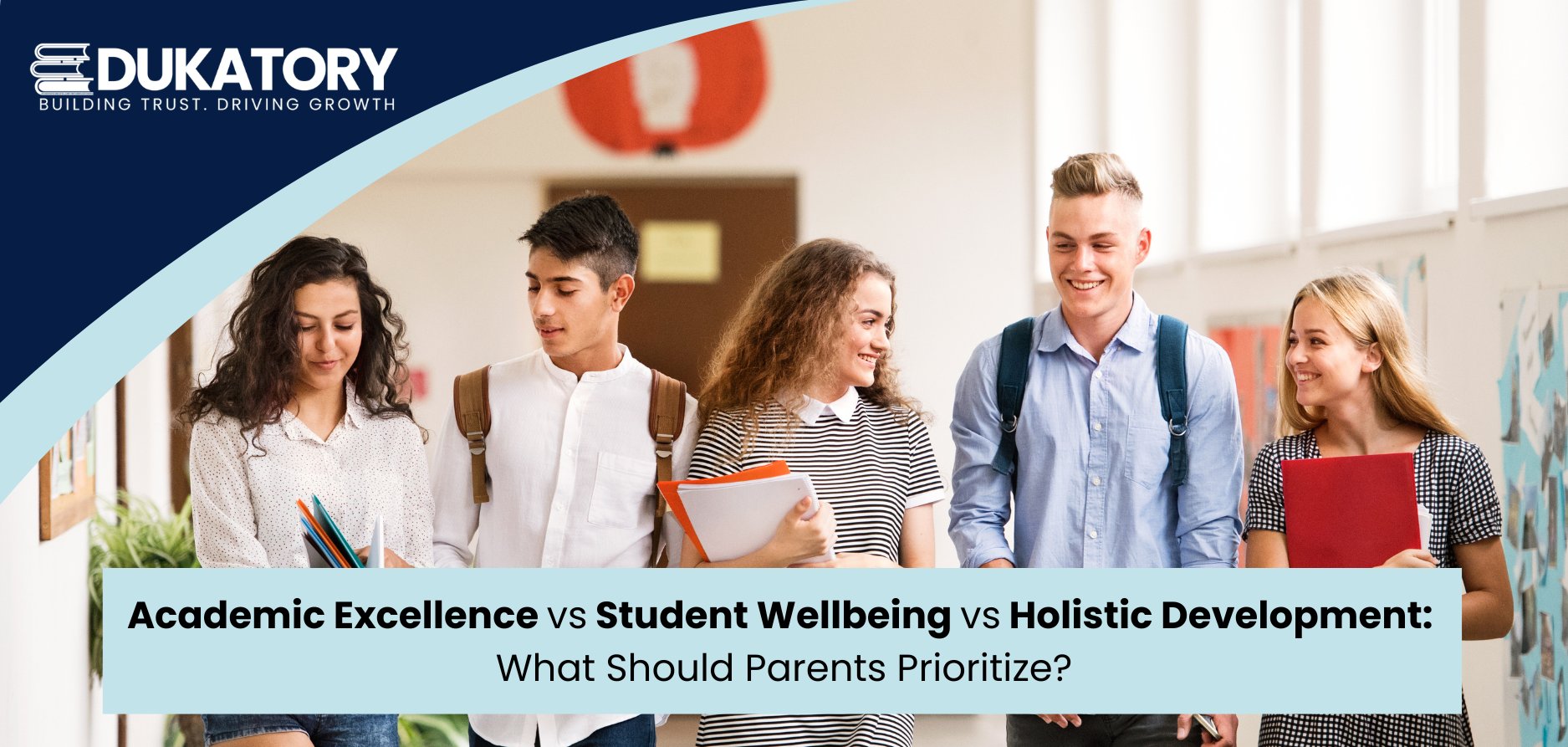
Choosing the right school involves far more than reviewing rankings, facilities, or tuition fees. Parents today are increasingly looking beyond academic results and considering how schools support students’ overall growth and future success. While strong academic performance remains important, factors such as emotional wellbeing, personal development, and life skills are becoming essential considerations in modern education. Families recognize that the school years are not only about preparing for university but also about shaping character, resilience, and the ability to thrive in diverse environments.
Many schools position themselves around different priorities. Some focus heavily on academic achievement and university admissions, others emphasize student wellbeing and support systems, while a growing number promote holistic development that balances academics, extracurricular activities, and character building. Understanding the strengths of each approach can help families make informed decisions about their child’s education.
Academic Excellence: Preparing Students for Competitive Opportunities
Schools that prioritize academic excellence focus on achieving strong examination results, maintaining rigorous standards, and preparing students for admission to top universities. These environments often challenge students to perform at a high level and develop strong study habits that support future academic success. Academic-focused schools typically offer advanced coursework, enrichment programs, and opportunities for students to compete in academic contests, which can sharpen their skills and build confidence.
Key Strengths:
Academic achievement: Strong focus on examination performance and measurable results.
High expectations: Encourages discipline, perseverance, and a strong work ethic.
University preparation: Competitive pathways to top institutions worldwide.
Advanced programs: Access to enrichment opportunities such as honors classes, STEM labs, or international competitions.
While these schools can provide exceptional preparation for higher education, the demanding nature of academic-focused environments may not suit every student’s learning style or personal needs. Some students may thrive under pressure, while others may feel overwhelmed, highlighting the importance of matching the school’s philosophy with the child’s personality and goals.
Student Wellbeing: Supporting Emotional and Personal Growth
Schools that emphasize student wellbeing prioritize emotional health, positive relationships, and supportive learning environments where students feel valued and confident. By focusing on personal growth alongside academics, these schools help students develop resilience, self-awareness, and a positive attitude toward learning. Wellbeing-centered schools often integrate counseling services, mentorship programs, and initiatives that promote inclusivity and respect.
Benefits for Students:
Mental health support: Strong systems for emotional wellbeing and stress management.
Confidence building: Encourages self-awareness and resilience in facing challenges.
Healthy relationships: Promotes trust and collaboration between students and educators.
Positive environment: Creates a safe, encouraging atmosphere for learning.
Although wellbeing-focused schools offer many benefits, families should also consider how academic expectations and learning outcomes align with their educational goals. A nurturing environment is valuable, but parents must ensure that academic standards remain strong enough to support future opportunities.
Holistic Development: Balancing Academics and Life Skills
Holistic education aims to develop students academically, socially, emotionally, and personally. Schools following this approach often combine strong academics with extracurricular activities, leadership opportunities, and community engagement to create a well-rounded educational experience. Students are encouraged to explore sports, arts, service projects, and leadership roles alongside their studies, helping them build essential life skills.
What Students Gain:
Well-rounded growth: Encourages balanced development across academics, arts, and personal interests.
Leadership skills: Builds communication, teamwork, and problem-solving abilities.
Academic and personal balance: Supports achievement while fostering creativity and resilience.
Future readiness: Equips students for both university and life beyond the classroom.
Because students are encouraged to participate across multiple areas, maintaining balance and managing responsibilities can become an important part of the learning experience. Families should consider whether their child thrives in a busy, multifaceted environment or prefers a more focused academic path.
Final Thoughts
There is no single approach that works for every student. While academic excellence can open doors to competitive opportunities, student wellbeing supports emotional and personal growth, and holistic development helps prepare students for success beyond the classroom. The most effective educational environment is one that aligns with a student’s individual strengths, interests, and long-term goals. Parents should reflect on their child’s personality, aspirations, and preferred learning style when making this important choice, while also considering how schools foster creativity, resilience, adaptability, and lifelong curiosity in a rapidly changing world.
Edukatory helps families navigate these decisions by providing trusted educational insights, school discovery resources, and guidance that make finding the right learning environment more informed and accessible. With the right support, families can confidently select schools that not only deliver academic success but also nurture resilience, creativity, and character—ensuring students are prepared for both university and life beyond. By combining clear information with practical advice, Edukatory empowers parents to make choices that truly reflect their child’s potential, future aspirations, and evolving needs.
Sources and References
Council of International Schools (CIS) – international school standards and student development practices.
International Baccalaureate (IB) Organization – approaches to holistic and student-centered education.
UNESCO Education Frameworks – research on student wellbeing and quality education.
OECD Education Reports – studies on academic achievement, wellbeing, and student outcomes.
World Economic Forum Education Insights – future-ready skills and holistic learning development.
Related Article
Recognized International Curriculums in Southeast Asia